The World of
Antara
A world built on what came before.
A World Built on What Came Before
More than four thousand years have passed since the Turning.
No one living can say what it was. The old stories cannot agree. Priests preach of a judgement visited upon the proud. Scholars in their cold libraries speak of catastrophe. In village taverns, when the fire burns low, grandmothers tell of impossible cities, of lights that wheeled across the heavens, and of an age when humankind wielded powers their descendants now mistake for magic.
Yet Antara is no ruin picked over by the survivors of some better age. Civilisation has risen again, and risen proud. Great cities crowd its rivers and coastlines, and kingdoms govern lands that stretch for hundreds of miles. Merchant houses hoard fortunes to rival princes, and noble families cling to privileges older than their names. Armies march beneath banners known and feared, while in counting-rooms and back halls the guilds wage quieter wars for influence, territory and coin.
Reinhold
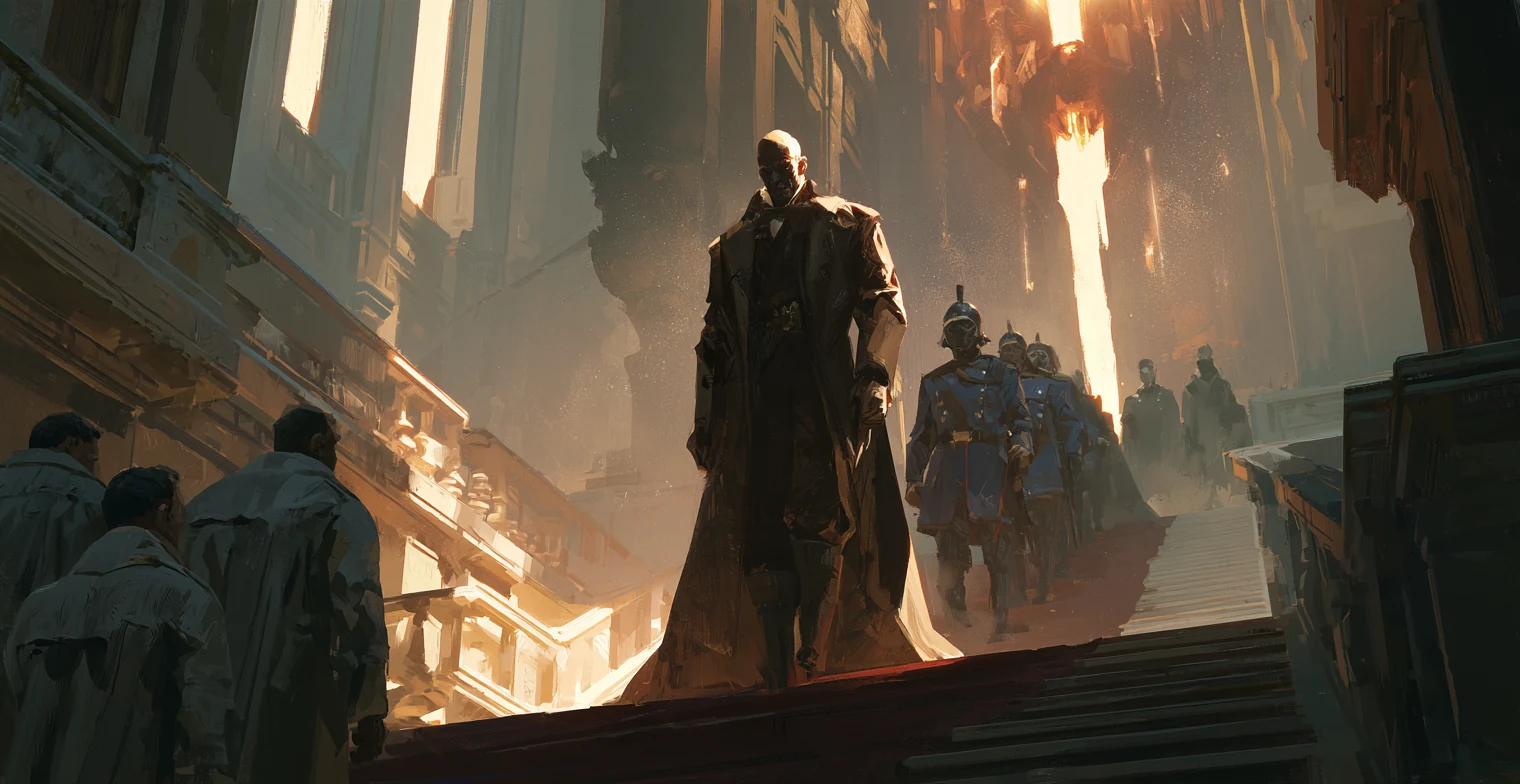
At the heart of it all stands Reinhold, the Imperial capital: a sprawl of palaces and foundries, markets and ancient stone, its skyline smudged by forge-smoke. From its gates, the roads run out to Dukeswall, on to the hard northern reaches of the once tribal nation of Ranghild, to the distant settlements in the valleys of the Republic of Vashkaus, and to countless towns, fortresses and provinces between.
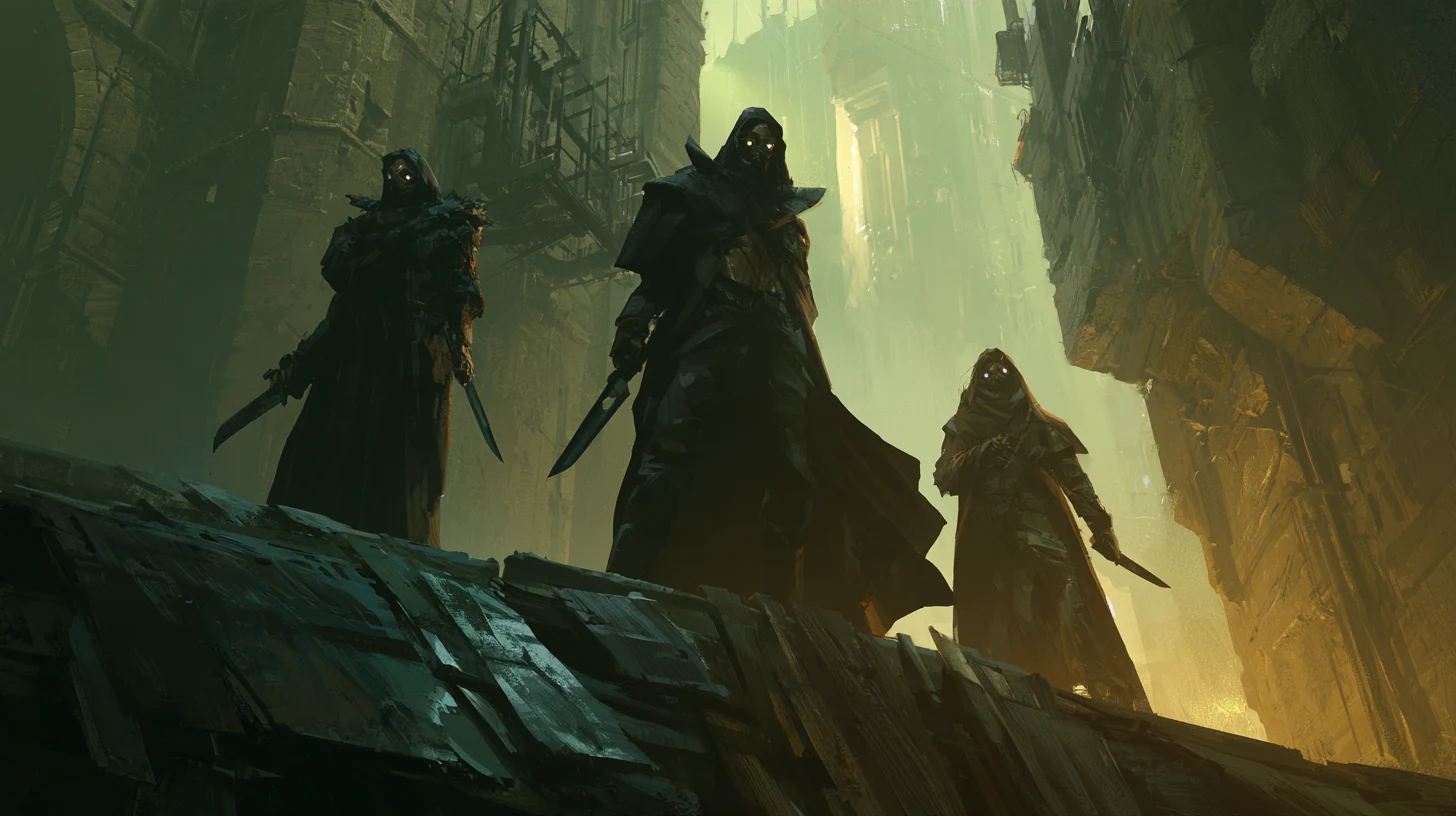
Antara is inhabited, governed and alive. And still, for all its maps and ministries, much of it remains unknown.
There are valleys that appear on no reliable chart, and roads whose builders no one remembers.
There are ruins beneath the cities, resting on foundations that run far deeper than any foundation should, and structures sealed long before the oldest surviving histories were written.
The further civilisation spreads, the closer it comes to an unsettling possibility: that it was not the first to stand here.
“We did not cut the first road through these hills. We only paved over it.”
From a surveyor’s journal, Vashkaus
An Age of Change
Antara stands on the cusp of a new era.
Black powder is rewriting the rules of war, and printing presses carry dangerous ideas further and faster than any army could march. Merchants now rival the old bloodlines in wealth and reach. Guilds scramble for monopolies, discoveries and the favour of the powerful.
Scholars pick at histories once held beyond question, and explorers press into mountains, forests, frozen wastes and forgotten territories, hungry for whatever lies beyond the edge of the known world.
Progress has made Antara confident. Discovery is beginning to make it afraid, because some of what is being unearthed fits within no accepted history at all.
The Aun
There is power in Antara.
Those who study it call it the Aun. It can heal and it can unmake. It can reshape flesh and stone, lay bare what is hidden, and destroy whatever stands in its way.
It is rare enough to inspire wonder and dangerous enough to inspire dread. No academy has fully mapped its workings, no faith has explained it to anyone’s satisfaction, and those who claim to have mastered it rarely remain unchanged for long.
Magic in Antara is no tradesman’s tool or parlour trick. It is an event, and when the impossible happens, people remember.
“I have seen the Aun close a wound in a heartbeat. I have seen it do other things. I do not speak of those.”
A field surgeon of Ranghild
The Kindred
Humanity did not emerge unchanged.
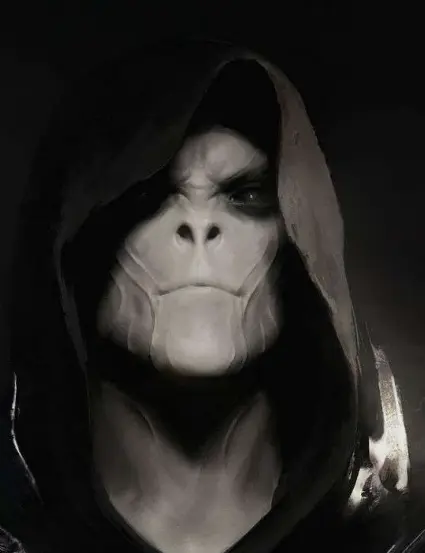
Across Antara live peoples known together as the Kindred, human lineages whose differences run deeper than custom or climate. The stone-hued Korran, the powerful Dúrkin, the enigmatic Eloim and others besides have lived alongside humankind for longer than any trustworthy record can reach.
Where they came from is a matter of bitter dispute. Some scholars hold that the Kindred are simply branches of humanity, shaped by thousands of years of isolation and hard adaptation. Others point to the Aun: to generations raised where the Shroud runs thin, to migrations no chronicle remembers, to events that slipped through the cracks of history entirely. The temples, naturally, have explanations of their own.
No one knows for certain. The Kindred carry their own histories, identities and faiths, and they have little patience for being treated as a riddle for scholars to solve. Whatever their origins, they are not visitors to Antara. They are woven into it.
“You ask where my people came from. I ask why yours are so certain they came first.”
A Korran elder, to an Imperial scholar
A Different Kind of Fantasy
Cultures rather than archetypes.
Antara’s peoples have been shaped by geography and migration, by war and faith and thousands of years of history. They are not sorted into tidy divisions between civilised and savage, ancient and young, righteous and corrupt.
Its ruins are not treasure vaults left conveniently unlocked. Its creatures do not exist merely to fill the wilderness between one fight and the next. Its past does not lie waiting in some ancient tome for the right hand to open it.
Here, truth comes in fragments. Every nation remembers the past differently, every Kindred keeps its own traditions, every faith reads the signs its own way, and every institution guards something it would rather no one questioned.
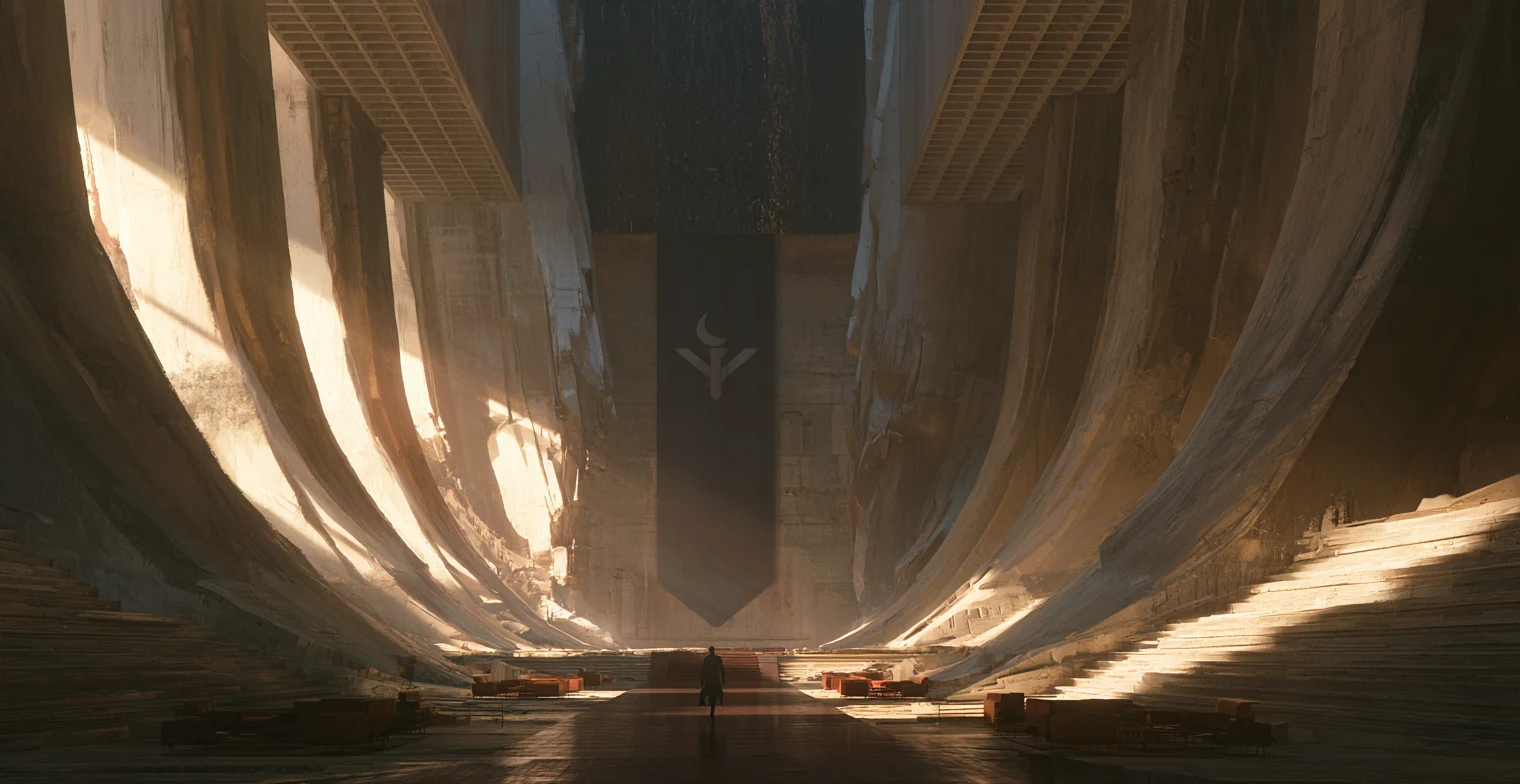
Beneath all those competing histories lies something older still, something Antara has barely begun to understand.
The Empire Endures
Above ground, Antara belongs to the living.
From Dukeswall, the First Warden presides over an Empire of teeming cities and far-flung provinces, of powerful guilds and ever-shifting interests. Markets open at dawn and foundries burn through the night. Courts argue over laws while caravans wind through mountain passes and ships carry cargo between distant ports.
Along borders redrawn more times than anyone can count, the armies keep their watch. Human and Kindred alike live, trade, govern, worship and fight across the breadth of the Empire, and life goes on as it always has.
Below it lie older walls, older passages and older truths. Some devote their lives to finding them. Others have spent generations making certain they stay buried.
Beyond the Map
There are still blank spaces.
Expeditions vanish without trace. Ancient roads emerge from beneath retreating ice. Relics whose purpose no one can fathom are dragged into the light. And every so often, something that has slept for millennia begins, quietly, to work again.
Antara does not ask its adventurers merely to defeat what waits beyond the walls. It asks them to discover what those walls were built upon: to venture into the unknown, to question what everyone else accepts, and, when the truth is finally laid bare, to decide what should be done with it.
“Here the map ends. The road does not.”
Note in the margin of an expedition chart
The World of Antara
A world of nations, Kindred and ancient rivalries, standing on the threshold of a new age.
A world that has forgotten far more than it remembers.
The maps are incomplete. The histories disagree. And the deepest discoveries are still waiting.
Enter Antara→